

Supportive Cancer Care
Cancer treatment can be physically and emotionally challenging, but a comprehensive supportive care plan can improve treatment outcomes, minimize side effects, and promote long-term well-being. Supportive care works alongside conventional treatments such as chemotherapy, radiation, and surgery to enhance their effectiveness and help the body better tolerate these therapies.

Supportive Care During Conventional Cancer Treatments
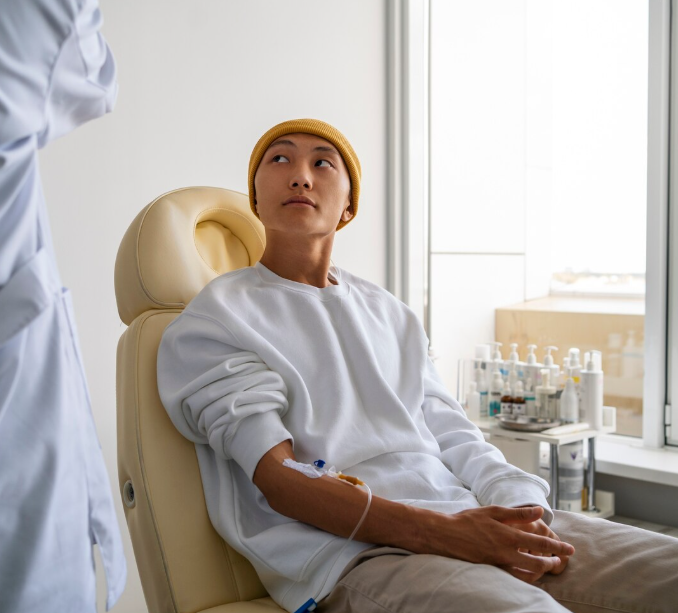
While chemotherapy and radiation therapy are essential components of cancer treatment, they often come with significant side effects. Supportive care can help by:
Reducing Side Effects
Supporting the body to alleviate nausea, fatigue, neuropathy, and digestive disturbances.
Enhancing Treatment Efficacy
Optimizing the body's resilience to improve response to chemotherapy and radiation.
Boosting the Immune System
Strengthening immune function to support overall health during treatment.
Protecting Healthy Cells
Reducing damage to non-cancerous tissues and improving recovery time.
Prevention of Recurrence After Conventional Therapy
Once conventional treatment is completed, the focus shifts to long-term wellness and reducing the risk of cancer recurrence. Supportive care can aid in:
Immune System Strengthening
Helping the body recognize and eliminate abnormal cells before they develop into cancer.
Reducing Inflammation
Addressing chronic inflammation, a key factor in cancer development and recurrence.
Balancing Metabolic Health
Managing blood sugar levels, insulin resistance, and oxidative stress, which may contribute to cancer progression.
Lifestyle Optimization
Encouraging dietary changes, stress reduction, and regular physical activity to promote overall health.
Detoxification Support
Assisting the body in eliminating toxins and reducing environmental risk factors.

Key Areas of Supportive Cancer Care
Nutritional Support
Providing essential vitamins, minerals, and antioxidants to optimize cellular function.
Targeted Supplementation
Using evidence-based compounds that may aid in treatment support and recovery.
Gut Health Optimization
Improving digestion and microbiome balance to enhance overall well-being.
Energy and Fatigue Management
Addressing chronic fatigue and restoring vitality post-treatment.
Supportive cancer care is a critical component in improving quality of life, enhancing the effectiveness of conventional treatments, and promoting long-term health after treatment completion. If you or a loved one is undergoing cancer therapy or looking to reduce the risk of recurrence, a comprehensive supportive care approach can be an essential part of the healing journey.